
The 4th SURE World Conference was held in Istanbul from July 16–19, 2025, hosted by Yıldız Technical University.
Istanbul Charter
For the Conservation and Perception of Urban Nature
Society for Urban Ecology
Urban nature encompasses the totality of natural elements present in urban spaces, including their ecosystemic functional relationships and their use. Urban nature includes remnants of native ecosystems, patches of agricultural areas embedded within the urban fabric or surrounding urban areas, all types and scales of designed urban green spaces, and novel wild urban ecosystems.
Importance
- Urban nature is in a critical state worldwide. The loss of biodiversity is accelerating due to climate change and numerous other factors.
- Urban nature provides essential ecosystem services and possesses a powerful capacity to mitigate environmental risks, playing a vital role in supporting human health.
- Enhancing residents’ perception and appreciation of urban nature can increase public support for conservation initiatives, further promote sustainable urban development, and improve the quality of urban life.
Targets
- Promoting multistakeholder engagement to address urban nature issues creates a shared space for humans and nature. Enhancing stakeholders’ awareness, understanding, and sense of participation regarding the benefits of nature; actively promoting community engagement for urban nature; and building better governance for a better, socio-ecologically resilient urban living environment all contribute to this target.
- An effective dialogue between professionals, citizens, and decision-makers—by enriching their knowledge, understanding, and sense of responsibility regarding the benefits of nature, and establishing stronger institutions to foster a better urban living environment—is essential.
- Establishing and improving urban ecological monitoring and assessment systems to regularly track the effectiveness of conservation efforts for urban nature.
- Carefully reflecting on dominant societal paradigms, worldviews, and plural values to recognize and prioritize the interconnectedness of humans and nature in cities and beyond.
- Considering urban land-use teleconnections and tangible human-nature connections (e.g., resources, food)—not strictly confined to urban boundaries—to foster social-ecological justice for both human and non-human beings.
Challenges and Opportunities
- Implementing effective conservation measures along urbanization gradients, particularly in high-density and socially marginalized urban areas where natural spaces are limited.
- Promoting active public engagement in conservation activities and raising urban residents’ awareness of the importance of the natural environment, especially regarding more spontaneous nature and coexistence with urban wildlife.
- Coordinating interdisciplinary and cross-sectoral collaboration to strengthen comprehensive mechanisms for urban nature conservation and public perception.
- Preserving existing natural elements in peri-urban areas and integrating these features into urban nature through urban design and urban reconstruction.
- Promoting urban nature as a foundation for resilient, short food supply chains through the integration of urban agriculture and green infrastructure, with an emphasis on edible plants and trees, thereby contributing to food security, sustainability, and public engagement.
Methods
- Promoting urban nature conservation through interdisciplinary collaboration and technical support, employing spatial planning methodologies, including GIS, wildlife and animal monitoring, biodiversity-inclusive design, and AI.
- Applying innovative knowledge, methods, and technologies to support the management of urban nature, respecting natural processes by reducing the intensity of management interventions (doing less).
- Strengthening public participation and education by fostering community co-creation and nature-based experiences and activities to raise residents’ conservation awareness and promote an understanding of nature as a fundamental aspect of children’s learning in schools.
- Developing clear and actionable indicators for urban nature conservation, integrating them into urban development strategies and spatial planning instruments at the local, regional, and national levels, with the goal of increasing urban biodiversity.
- Society engagement—both formal and informal—is crucial for more inclusive approaches to space management. Participatory planning methods, along with smart and digital technologies such as remote sensing and data-driven platforms, can contribute to planning and management that is more resident-oriented.
- Establishing urban living labs to collaborate with urban decision-makers, practitioners, residents, and nature to explore ways to overcome the social, ecological, technological, and structural challenges that constrain urban ecology in, of, and for cities.
Cooperation
- Promoting in-depth exchanges between rapidly urbanizing China and Europe’s traditional and long-established urban development models in the field of urban nature conservation and perception—particularly in policy development, practical implementation, and scientific research—through international cooperation initiatives between countries and by learning from diverse experiences.
- Establishing a continuous international platform for dialogue and collaboration on urban nature conservation and perception, embracing diverse values and perspectives.
- Facilitating interdisciplinary collaboration among experts from diverse fields—such as urban planning, ecology, landscape architecture, sociology, psychology, anthropology, and related disciplines—to develop integrated strategies or frameworks for urban nature conservation and perception.
- Partnerships and the exchange of experiences between cities are important, especially in terms of market preference trends that shape the actions of developers.
- Strengthening transdisciplinary, multi-sectoral cooperation by encouraging collaboration among researchers, practitioners, decision-makers, and non-governmental organizations to effectively bridge policymaking, scientific research, and practical application.
Istanbul Declaration
on
the Conservation and Perception of Urban Ecology by the Urban Ecology Association
Urban ecology encompasses all natural elements found in urban areas, their relationships based on ecosystem functionality, and the ways in which they are utilized. Urban ecology includes remnants of native ecosystems, fragments of agricultural land within or surrounding the urban fabric, designed green spaces of all scales, and emerging wild urban ecosystems.
Importance
- On a global scale, urban ecology is in a critical state. It is rapidly deteriorating due to biodiversity loss, climate change, and numerous other factors.
- Urban ecology provides essential ecosystem services; it has a high capacity to mitigate environmental risks and plays a vital role in supporting human health.
- Increasing urban residents’ awareness and appreciation of urban ecology can strengthen public support for conservation efforts, which in turn promotes sustainable urban development and enhances the quality of urban life.
Objectives
- Encouraging multi-stakeholder participation to strengthen urban ecology issues creates a shared living space for people and nature. Increasing stakeholders’ awareness, understanding, and sense of participation regarding the benefits of nature; encouraging communities’ active engagement with urban ecology; and strengthening governance to foster a more socio-ecologically resilient urban living environment all contribute to this objective.
- It is essential to establish effective dialogue among experts, citizens, and decision-makers; to increase these actors’ knowledge, understanding, and sense of responsibility regarding the benefits of nature; and to create more functional institutions for a better urban living environment.
- Establishing and developing systems to monitor and evaluate urban ecology in order to regularly track the effectiveness of efforts to protect it.
- Carefully reflecting dominant social paradigms, worldviews, and pluralistic values to acknowledge and prioritize the importance of the human-nature relationship in cities and beyond.
- Consideration must be given not only to urban boundaries but also to the remote effects (teleconnections) of urban land use and material human-nature connections (e.g., resources, food); social-ecological justice for both human and non-human beings must be promoted.
Challenges and Opportunities
- Implementing effective conservation measures throughout urban sprawl, particularly in high-density and socially disadvantaged urban areas where natural spaces are limited.
- Encouraging active public participation in conservation efforts by raising awareness about coexistence with naturally occurring ecosystems and urban wildlife.
- Coordinating interdisciplinary and intersectoral collaboration to protect urban ecology and strengthen public awareness.
- Protecting natural elements surrounding the city and integrating them into the urban ecology through urban design and urban renewal.
- Promoting urban ecology as the foundation for resilient, short food supply chains that contribute to food security, sustainability, and public participation by focusing on edible plants and trees through urban agriculture and green infrastructure.
Methods
- Promoting the conservation of urban ecology through interdisciplinary collaboration and technical support; utilizing spatial planning methods such as GIS (Geographic Information Systems), wildlife and animal tracking, biodiversity-conscious design, and artificial intelligence in this process.
- Implementing innovative knowledge, methods, and technologies to support urban ecology management; respecting natural processes by reducing management inputs (less intervention).
- Strengthening public participation and education by supporting community-led initiatives and nature-based experiences and activities; in particular, helping children understand nature in school and raising their awareness of conservation.
- To enhance urban biodiversity; developing clear and actionable indicators for the protection of urban ecology and integrating these indicators into urban development strategies and spatial planning tools at the local, regional, and national levels.
- Community participation—both formal and informal—is critical for more inclusive approaches to spatial management. Smart and digital technologies, such as participatory planning methods, remote sensing, and data-driven platforms, can contribute to more resident-centered planning and management processes.
- Establishing urban living laboratories where urban decision-makers, implementers, residents, and nature can collectively explore how to overcome social, ecological, technological, and structural barriers.
Cooperation
- In the field of urban ecology conservation and perception—particularly in the areas of policy development, practical implementation, and scientific research—to foster in-depth knowledge exchange by building international cooperation bridges between rapidly urbanizing China and Europe, which has a long history of urban development, and by learning from diverse experiences.
- Establishing a continuous international platform for dialogue and collaboration on the conservation and perception of urban ecology that encompasses pluralistic values and perspectives.
- To facilitate interdisciplinary collaboration among experts in urban planning, ecology, landscape architecture, sociology, psychology, anthropology, and other relevant fields, with the aim of developing holistic strategies or frameworks for urban nature conservation and perception.
- The exchange of experiences and partnerships between cities is particularly important in the context of market preference trends that shape developers’ actions.
- To build effective bridges between policymaking, scientific research, and practical applications, strengthen transdisciplinary and multisectoral collaboration among researchers, practitioners, decision-makers, and civil society organizations.
4th SURE World Conference in Istanbul, Turkey
From July 16 to 19, 2025, the 4th SURE World Conference took place in Istanbul, Turkey, under the theme “Cities Under Global Social Transformations: Embracing Change for a Greener Future.” Hosted at Yıldız Technical University, the conference brought together scholars, practitioners, and decision-makers from around the world to exchange knowledge, build networks, and inspire future actions in urban ecology.
Key topics included:
- Urban biodiversity and ecosystem services
- Nature-based solutions and climate resilience
- Green infrastructure and public health
- Community engagement and environmental and multi-species justice
- Urban planning, transformation, and governance
- Inter- and Transdisciplinary Approaches to Urban Ecology
- Green and Blue Infrastructure in Urban Design
- Water and Soil in Urban Sustainability
- Citizen Participation and Urban Governance
- Socio-Ecological Approaches and Equity
- Technological Innovations and AI in Urban Planning
- Urban Soundscapes and Cultural Perception
- Nature Education and Youth Engagement
The conference hosted a majority of participants from the People’s Republic of China, Germany, Turkey, Romania, the Russian Federation, and Poland. A total of 498 individuals were listed as authors of the presented papers. An analysis of the country distribution shows that out of 134 papers in total, 23 were presented online. Authors from 54 different countries contributed to the papers either individually or in collaboration with others (Figure 1).
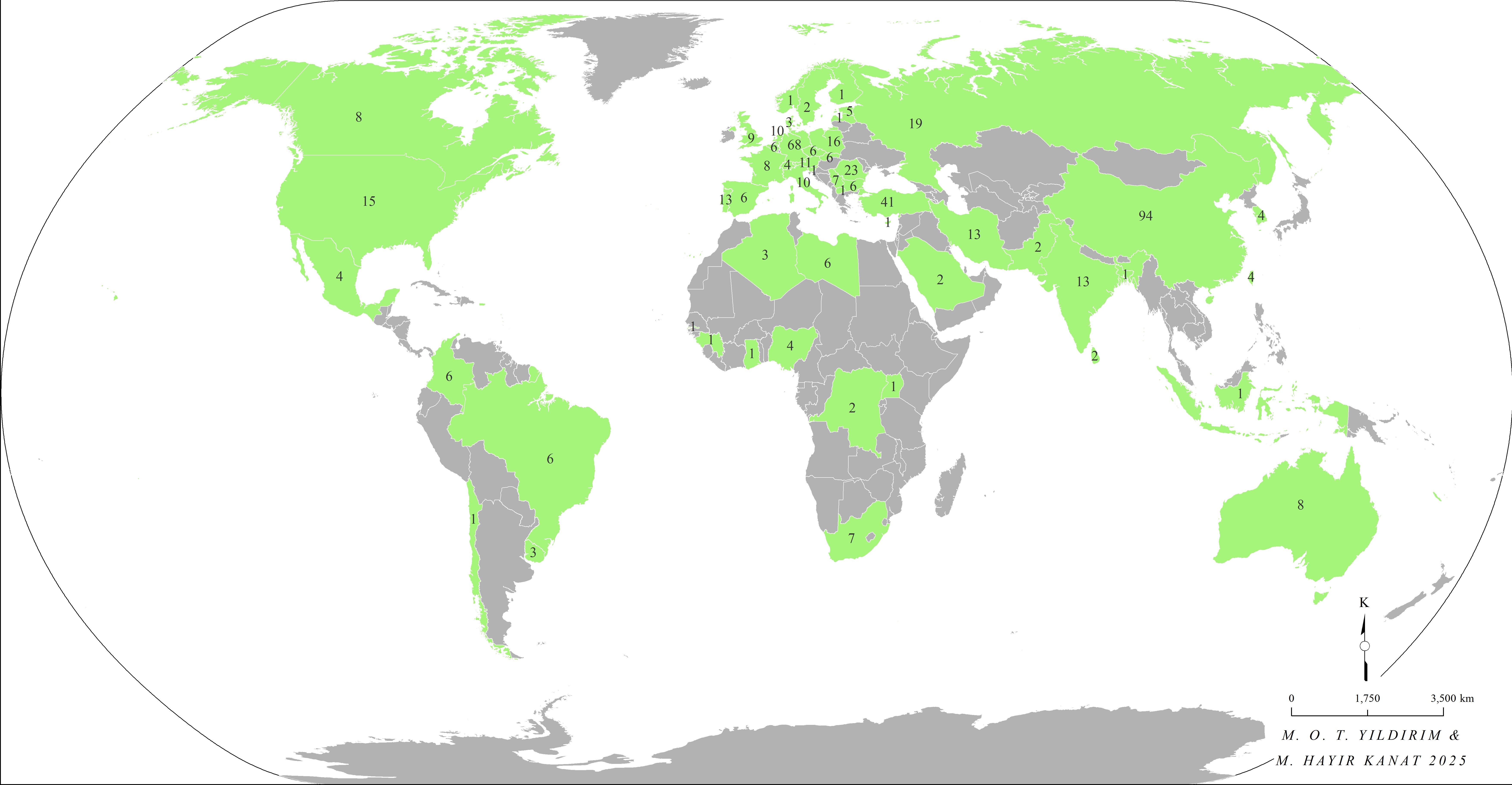
Figure 1. Geographic Distribution of the 498 Scholars Listed as Authors of Papers Presented at the Conference (from 54 Countries)
More than 200 participants from over 31 countries attended the event to explore inter- and transdisciplinary approaches to sustainable urban development, nature-based solutions, and the role of urban nature in climate adaptation and social well-being. The program featured inspiring keynote speeches, thematic sessions, interactive workshops, and field excursions across Istanbul’s diverse urban landscape. In total, the conference welcomed 133 paid participants, including 114 paper presenters and 19 attendees, representing 31 different countries (Figure 2). Thanks to the hybrid format, the event was also accessible to interested individuals who could follow the sessions as passive participants free of charge via links shared in the program.
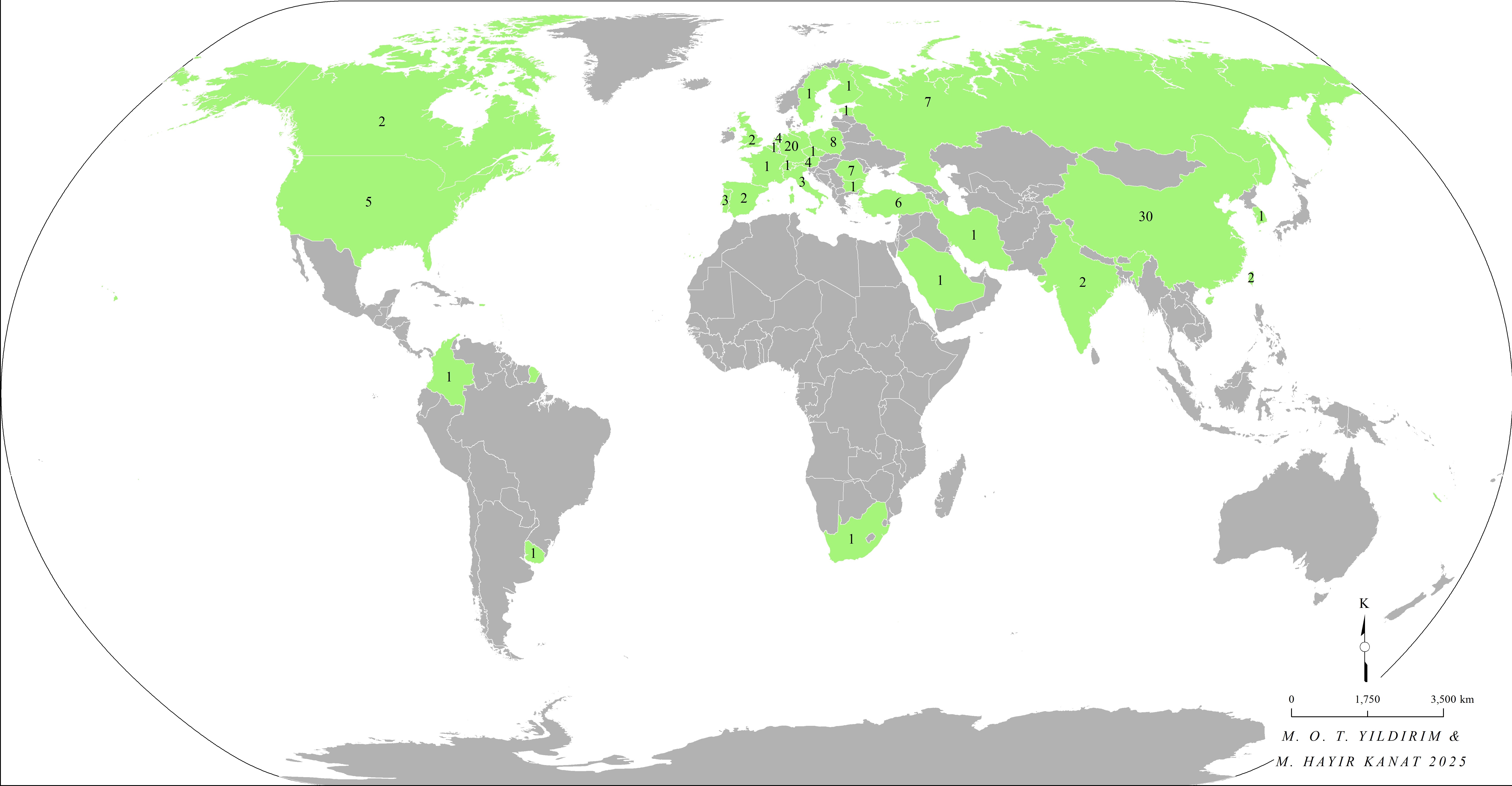
Figure 2. Country Breakdown of Registered Participants Who Delivered Presentations at the Conference (Paid Paper Presenters)
Opening Reception
On the evening of the first day, the opening reception was held with a large turnout. Scientists from various countries gathered in a friendly and dynamic setting where they exchanged ideas not only socially but also scientifically. The event provided a valuable opportunity for networking, and many participants engaged in discussions about potential future collaborations and brainstormed project ideas shaped by interdisciplinary approaches (Photo 1).
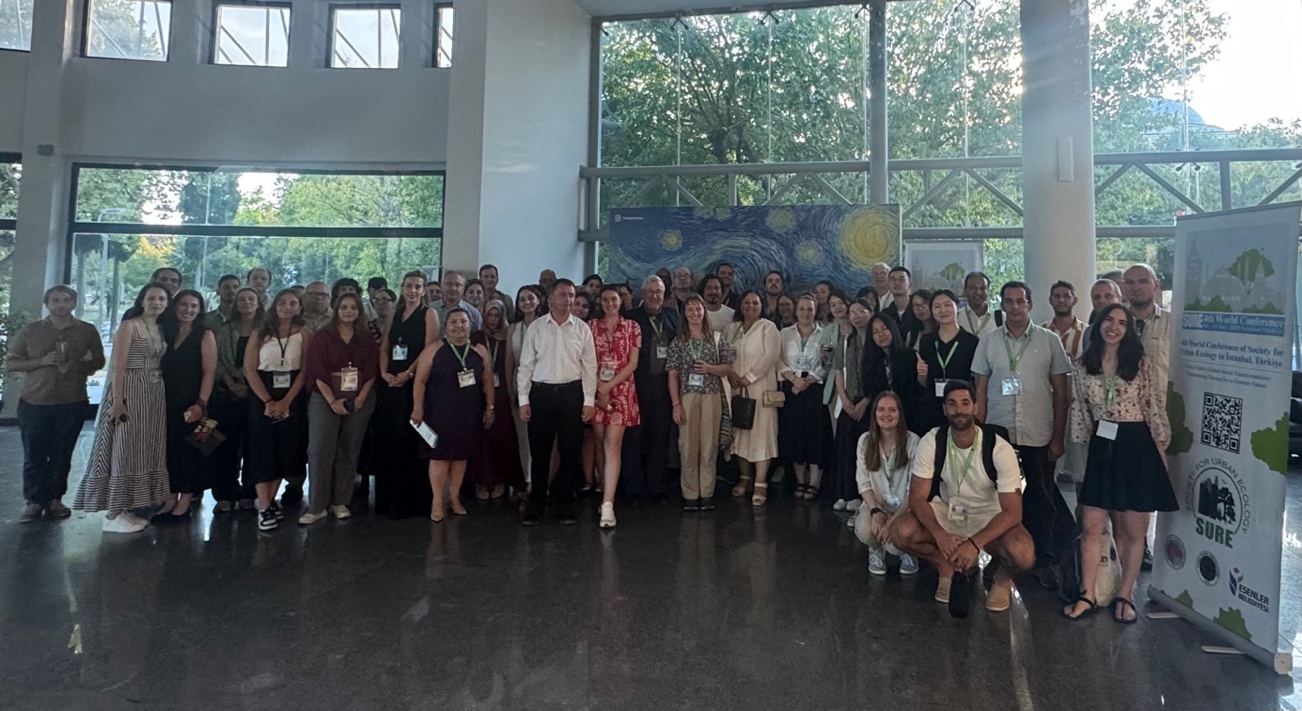
Photo 1: From the Opening Reception of the 4th SURE World Conference (© Gizem Anayol)
SURE General Assembly Meeting
At the end of the second day of the conference, the SURE General Assembly Meeting was held. During the meeting, Prof. Dr. Jürgen Breuste (President), Prof. Dr. Martina Artmann (Secretary General), and Prof. Dr. Cristian Ioja (Treasurer) presented the association’s recent activities and provided an overview of the work carried out over the past four years.
It was emphasized that SURE actively encourages the participation of young people by offering free membership to students and supporting their attendance at conferences.
Regional representatives reported that SURE’s sections in China, Iran, Southeastern Europe, and Central Europe are actively involved in various initiatives. Among these, regional conferences and summer schools stand out as key activities.
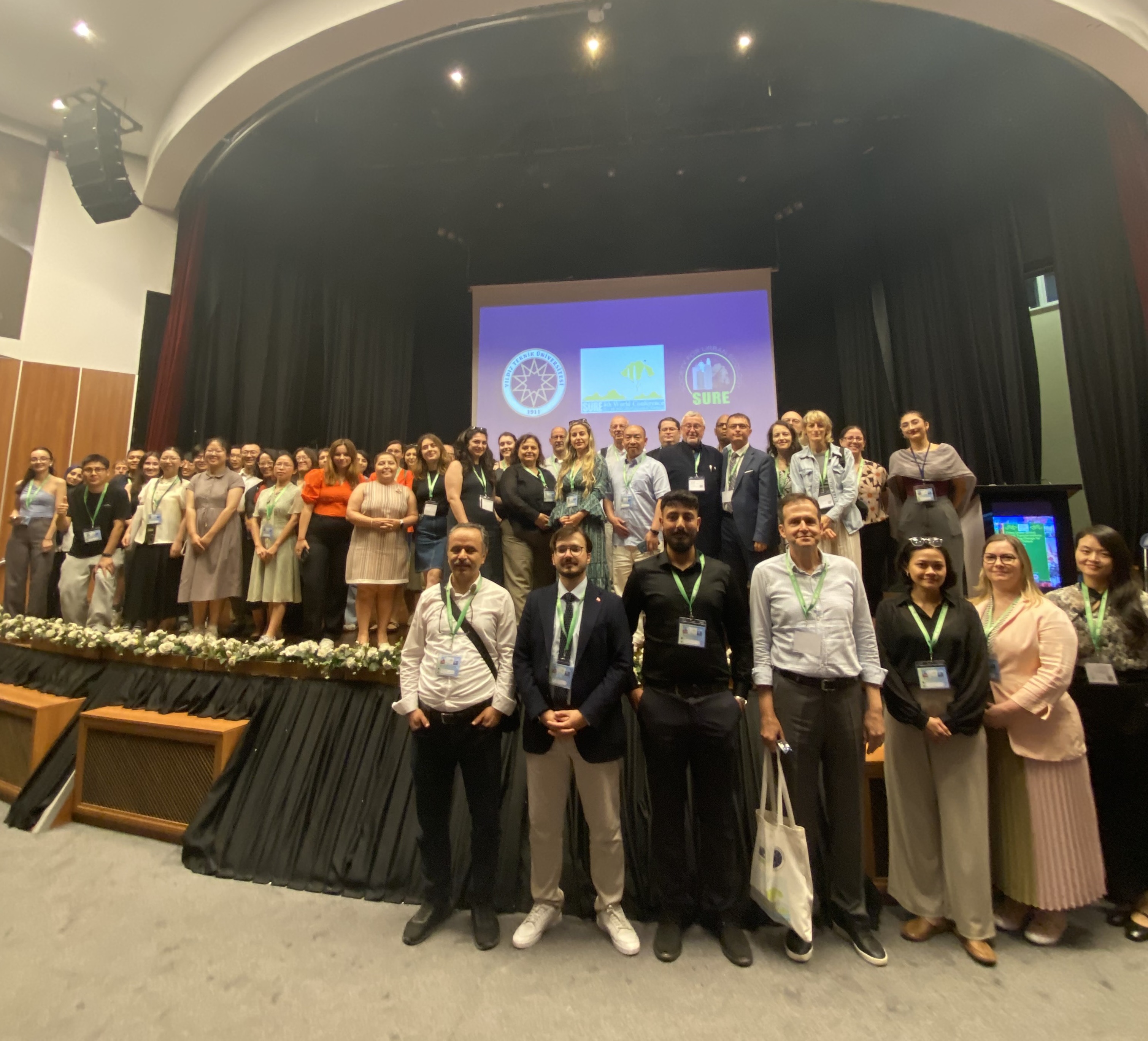
Photo 2: Participants at the SURE General Assembly (Photo by Gizem Anayol)
Dinner with Conference Members and Volunteers
On the third day of the conference, prominent figures from the 4th SURE World Conference and the dedicated volunteers who worked diligently to organize the event shared a dinner together at AĞA Restaurant, located on the Yıldız Technical University campus (Photo 3).
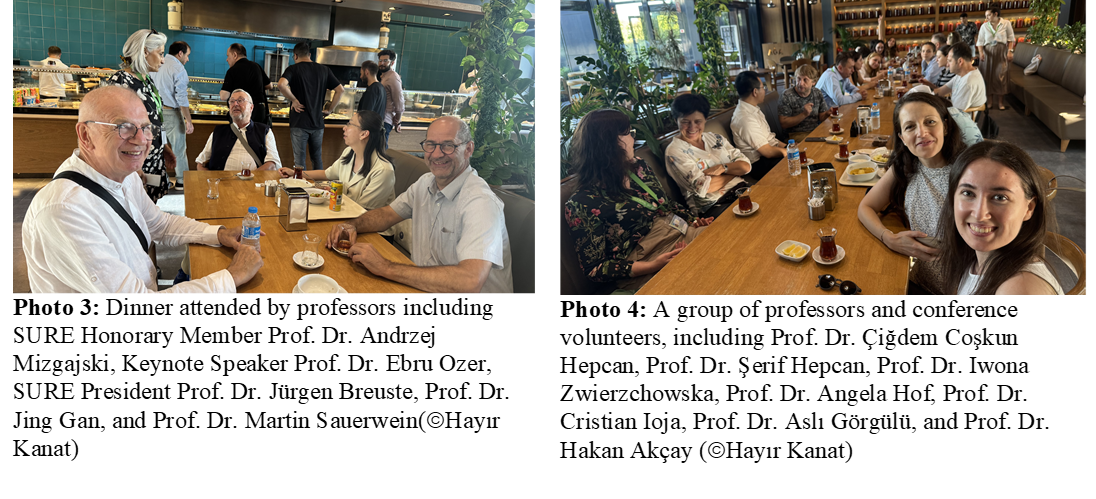
Excursion Day
On the fourth day of the conference, participants had the opportunity to experience one of the world’s most significant straits—the Bosphorus—which separates Asia and Europe. As part of the technical tour, they observed the city’s skyline and urban development along the route from Eminönü to Anadolu Kavağı.
A highlight of the conference was the SURE Sino-European Workshop and the co-creation of the Istanbul Charter for Conservation and Perception of Urban Nature, which emphasizes collaborative and inclusive strategies for protecting urban ecosystems.
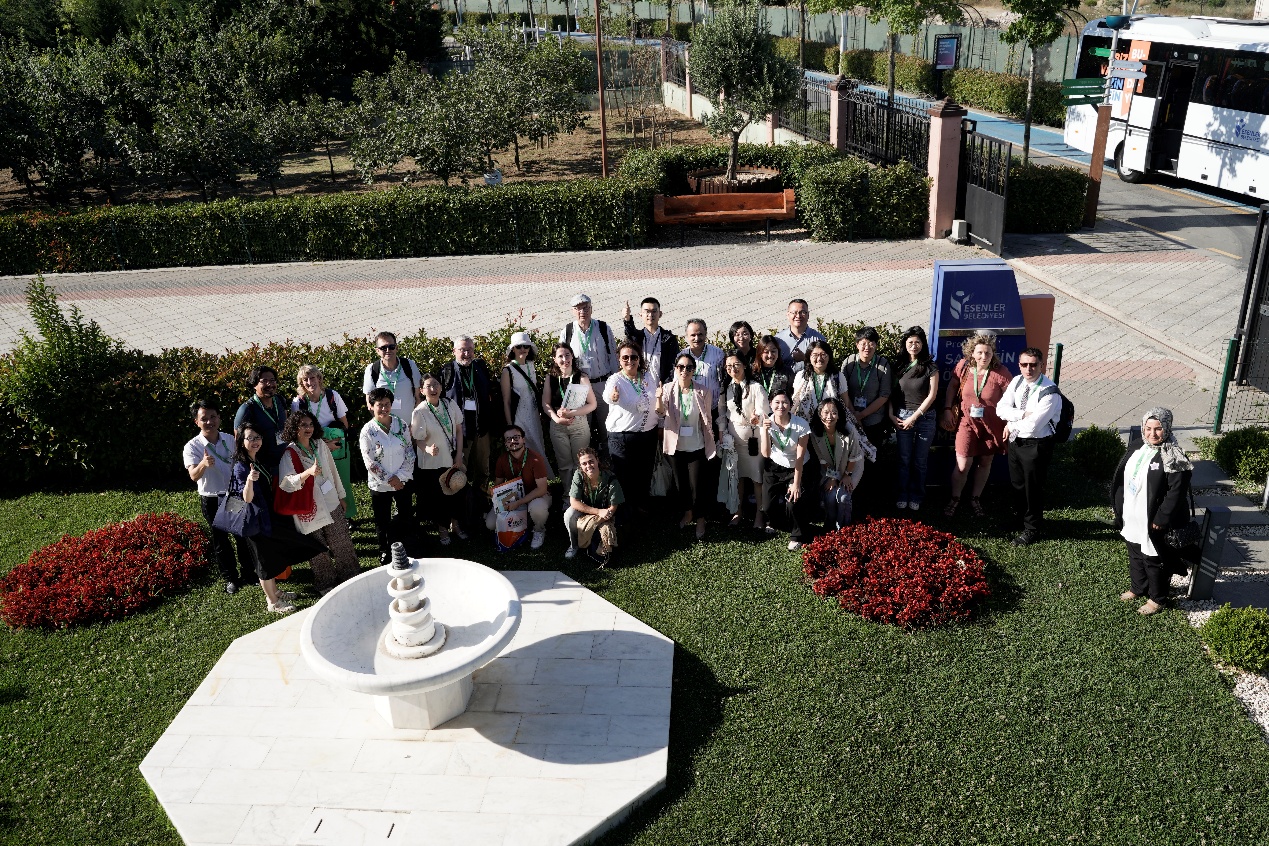
Photo: SURE Sino-European Workshop Team (© Tao Wu)
The SURE Executive Committee extends its heartfelt thanks to Prof. Dr. Meryem Hayir Kanat, Prof. Dr. Cigdem Coskun Hepcan, and all members of the Organizing Committee, including the dedicated teams from Yıldız Technical University and other supporting universities. Their commitment and hospitality throughout the conference were truly appreciated. The event once again highlighted the global significance of urban ecology in building more just, healthy, and resilient cities.
We are already looking forward to the 5th SURE World Conference in 2028—stay tuned!